Learning
A Bilingual Reading Routine That Fits Your Family's Languages
Plan shared reading across two languages without translating every sentence. Includes a weekly example and ways to separate understanding from word reading.
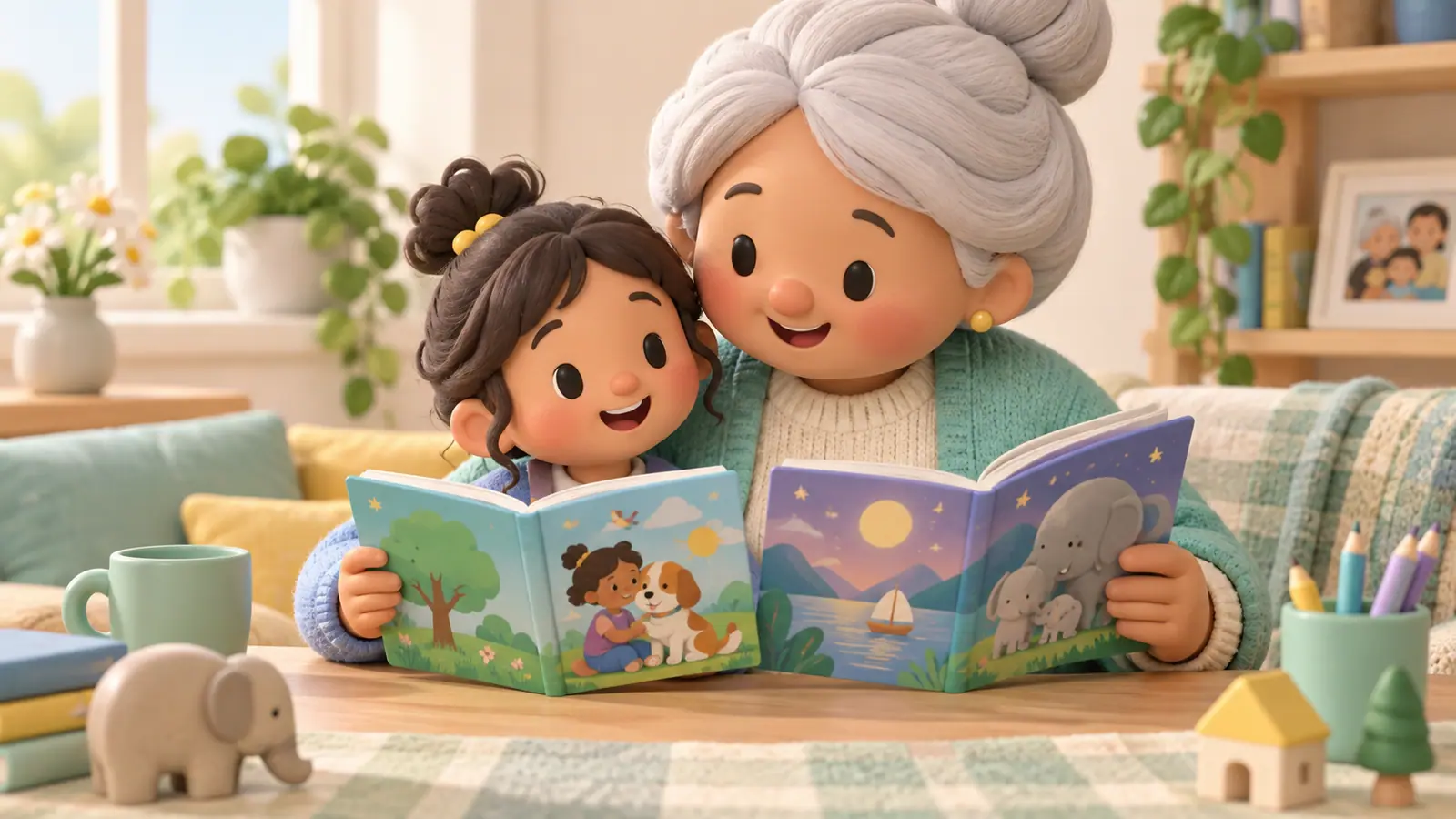
A bilingual reading routine should fit the languages your family actually uses and the adults available to share books. You do not need to translate every sentence or divide every reading session into equal halves. Begin with one enjoyable text and a clear idea of what you are practicing.
Understanding a story, learning new vocabulary, and decoding written words are different tasks. A child might discuss a complex story in one language while needing support to read a short sentence in another.
Choose the job for each session
Before opening the book, decide whether the session is mostly for shared enjoyment, conversation, or independent reading practice. This prevents a relaxed story from turning unexpectedly into a translation test.
For example, an adult might read a story aloud in the home language and invite the child to describe a favorite scene. On another day, the child might read a short school-language text at an appropriate level. Both belong in the routine, but they tell you different things.
An example week to adapt
| Occasion | Activity | Adult role |
|---|---|---|
| First shared session | Read an engaging story in the adult's comfortable language | Explain unfamiliar ideas and enjoy the story |
| Another day | Let the child retell a scene in either language | Listen and help with a word when asked |
| A short practice session | Read a manageable text in the school language | Follow the teacher's recommended support |
| A family call | Show a picture from the book to a relative | Help the conversation move naturally |
This is an organizational example, not a required balance of languages or a developmental standard. Some families have three languages, different scripts, or only one available reader.
Use parallel editions thoughtfully
Two versions of a story can help a child compare how an idea is expressed. They may also differ in length, phrasing, or cultural details. Do not assume every sentence has a word-for-word match.
Try comparing one scene after reading it. Ask what sounds natural in each language or whether a joke works differently. Keep the comparison playful and avoid correcting every mixed-language response during a conversation about meaning.
If an adult cannot confidently read one language, use a suitable recording or ask a librarian or teacher for resources. Preview the content and check the recording against the edition when following along matters.
Notice what the child can do
A short record might say: “Explained why the character left, needed help reading three words.” That distinguishes comprehension from independent word reading. A single label such as “behind” does not.
For school concerns, share examples and explain which languages the child uses in which settings. Ask what the teacher is assessing and what home support would be useful. Do not use a general blog routine to diagnose language or reading difficulties.
Keep family connection in the plan
Let relatives share a remembered rhyme or tell a story about a familiar place. The child can listen without producing a perfect performance. Ask before recording or posting the interaction.
For remote family reading, see interactive video calls with children. When choosing a digital book or language activity, the educational app checklist helps you review content, usability, and the task the child is actually doing.
Sources
We identify organizations and evidence types so readers can evaluate each claim. See our editorial policy.
- interactive video calls with children — OMO Kids Editorial Team. Editorial guide.
- educational app checklist — OMO Kids Editorial Team. Editorial guide.